
5 min read
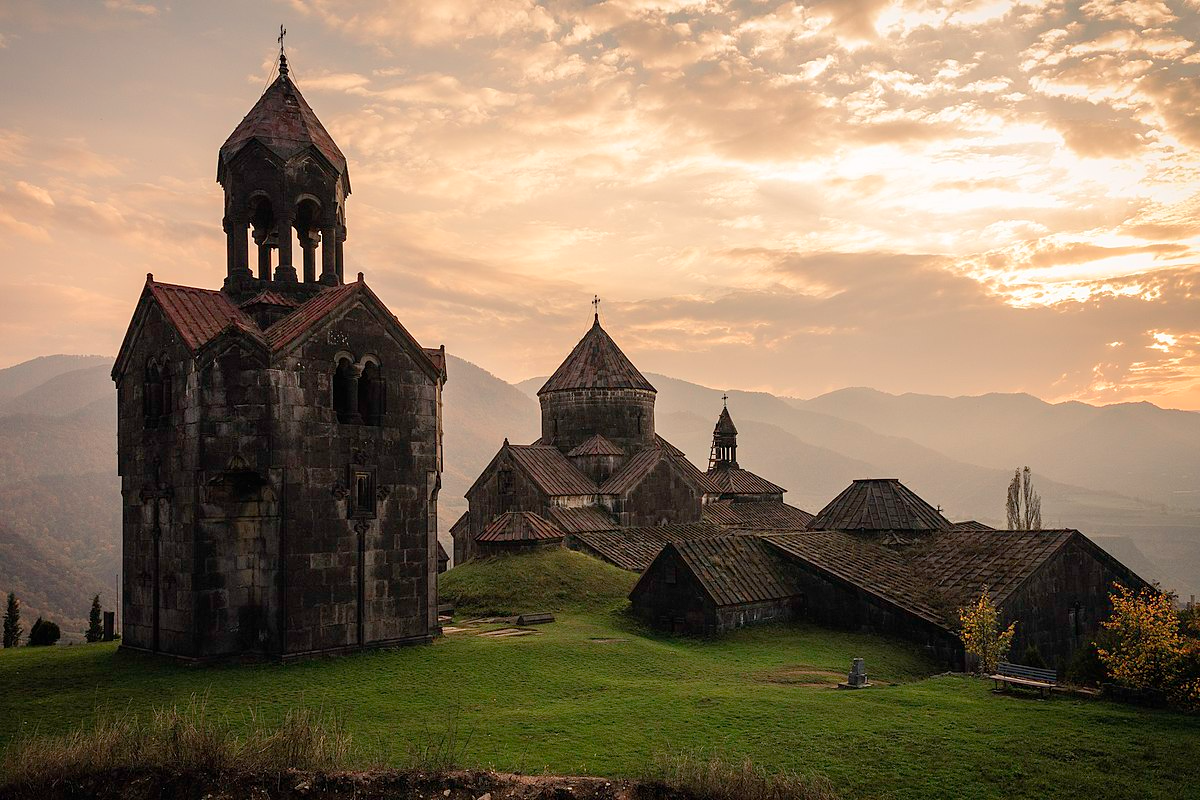
Perched high above the dramatic landscapes of Lori Province, Haghpat Monastery is one of Armenia’s most impressive medieval architectural treasures.
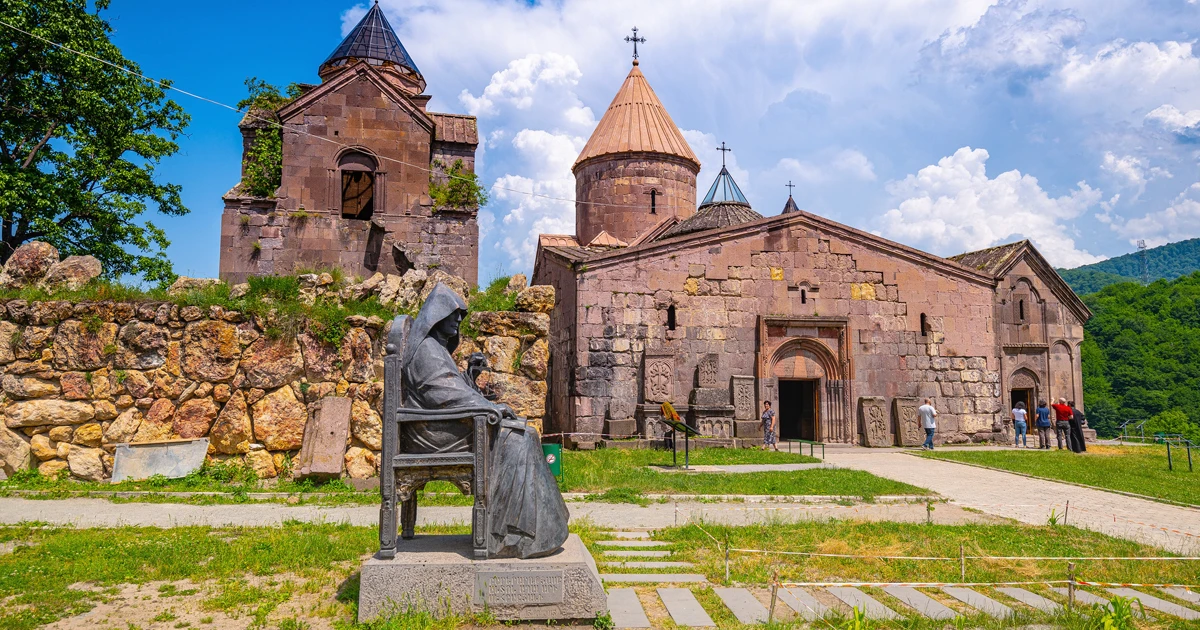
Surrounded by rolling green hills and overlooking the valleys of northern Armenia, the monastery combines centuries of history, remarkable stone architecture, ancient khachkars, and spectacular mountain scenery.
Together with nearby Sanahin Monastery, Haghpat is recognized as a UNESCO World Heritage Site and represents one of the finest achievements of medieval Armenian religious architecture.
A Monastery with More Than a Thousand Years of History
Haghpat Monastery was founded in 976 AD by Queen Khosrovanush, wife of Armenian King Ashot III the Merciful.
The complex continued to develop between the 10th and 13th centuries, eventually becoming an important religious, cultural, and educational center in medieval Armenia.
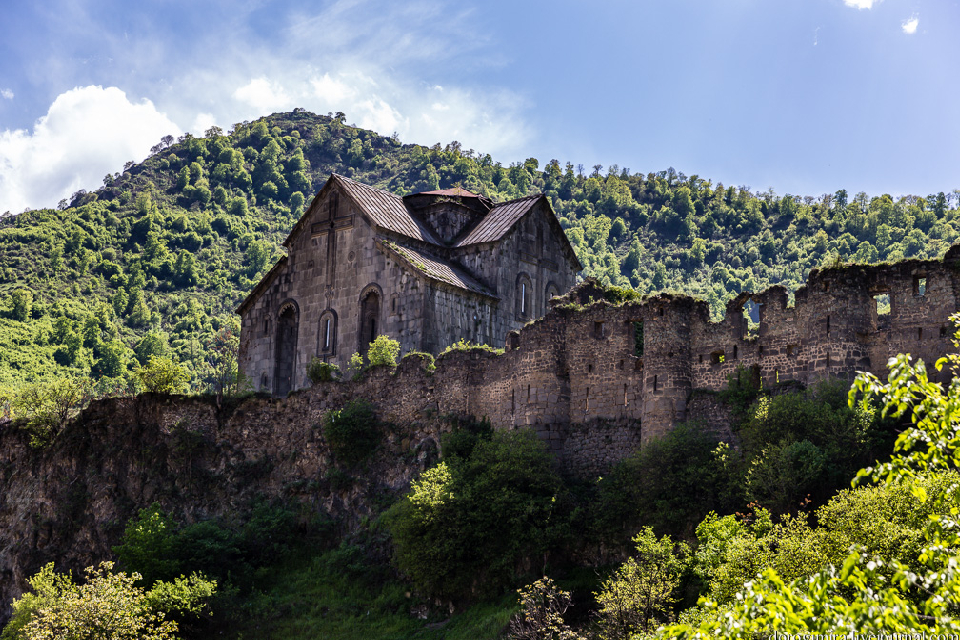
Over time, churches, chapels, tombs, a refectory, scriptorium, bell tower, khachkars, and defensive structures were added to the monastery.
The result is an architectural complex that feels almost like a small medieval town built entirely from Armenian stone.
St. Nshan Church
At the heart of Haghpat stands St. Nshan Church, the oldest major monument in the monastery.
The church was built between 976 and 991 and is attributed to the Armenian architect Trdat, one of the most celebrated architects of the medieval period.
Its large central dome, massive stone walls, and harmonious proportions make it an outstanding example of Armenian architecture from the 10th and 11th centuries.
Fragments of historic frescoes have also survived inside the church, adding another fascinating layer to the monastery’s artistic heritage.
A UNESCO World Heritage Site
Haghpat was inscribed on the UNESCO World Heritage List in 1996.
In 2000, the protected property was expanded to include nearby Sanahin Monastery, creating the UNESCO site known today as the Monasteries of Haghpat and Sanahin.
UNESCO recognizes the monasteries as outstanding examples of Armenian religious architecture from the 10th to 13th centuries.
Their architectural style combines elements of Byzantine ecclesiastical architecture with traditional building traditions of the Caucasus.
An Important Medieval Center of Learning
Haghpat was much more than a place of worship.
During the Middle Ages, monasteries such as Haghpat played an important role in Armenian intellectual and cultural life. The complex included a scriptorium, where manuscripts could be copied and preserved, and it developed as an important center of learning.
Walking through the monastery today, visitors can imagine a community of monks, scholars, artists, and students living and working among these ancient stone buildings.
Discover the Khachkars
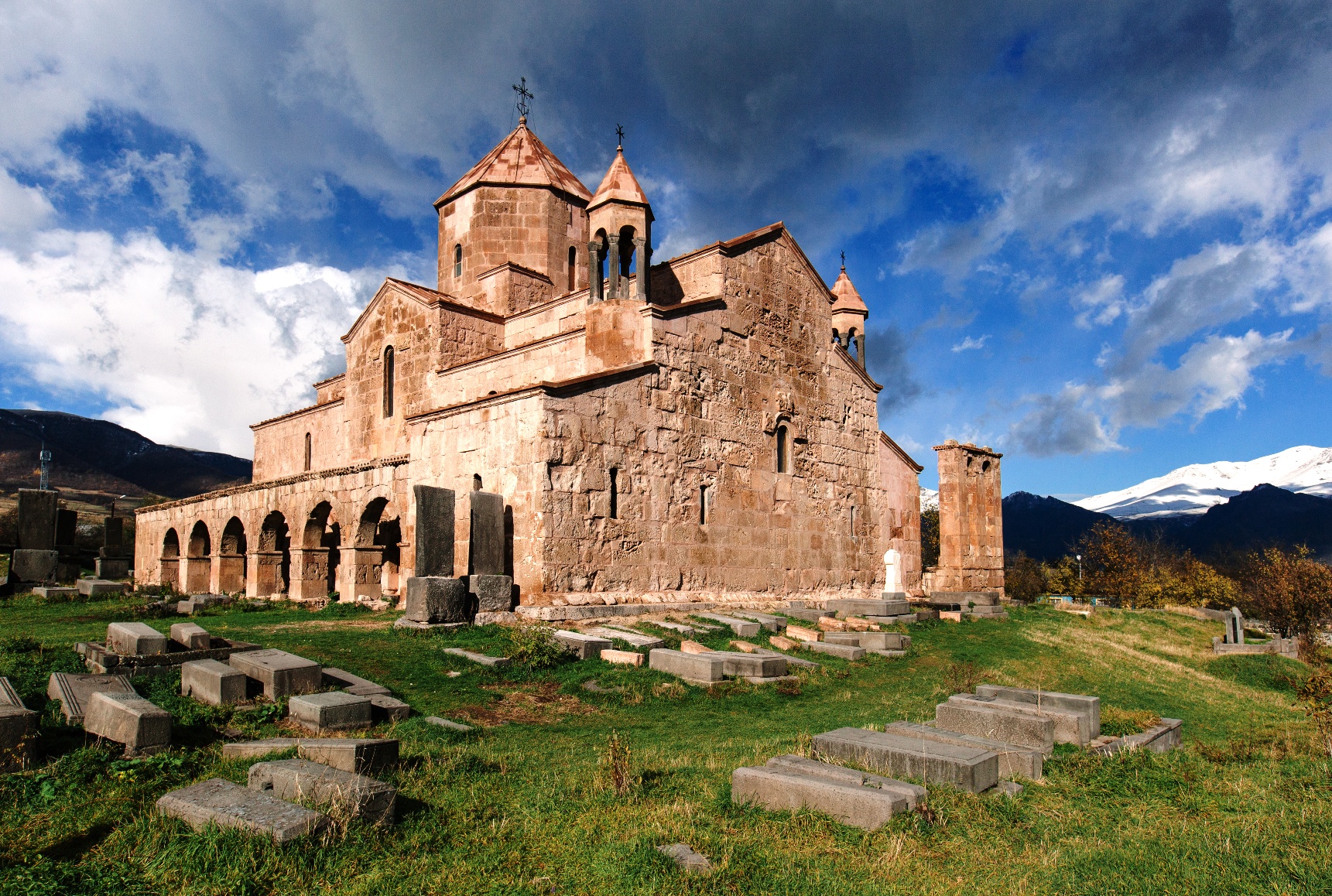
Throughout Haghpat, visitors will encounter khachkars — traditional Armenian cross-stones.
These monuments are decorated with crosses, geometric designs, floral patterns, and intricate ornamental carvings.
Some stand separately in the monastery grounds, while others are integrated into the architecture.
Take time to examine the details: Armenian stone carvers were able to transform solid rock into incredibly delicate works of art.
The Bell Tower
One of Haghpat’s most recognizable structures is its medieval bell tower.
Standing apart from the main cathedral, its elegant upper level and arched openings make it particularly photogenic.
Together with the domes of the monastery churches, the bell tower creates the classic silhouette that visitors see when approaching Haghpat.
Architecture in Harmony with Nature
Part of Haghpat’s beauty comes from its location.
UNESCO specifically highlights the harmonious relationship between the monastery complex and the surrounding landscape.
From the monastery grounds, visitors can enjoy sweeping views over the hills and valleys of Lori.
During spring and early summer, the landscape becomes intensely green. Autumn transforms the surrounding mountains into shades of gold, orange, and red, while winter can cover the entire area in snow.
Every season gives Haghpat a completely different atmosphere.
Visit Haghpat and Sanahin Together
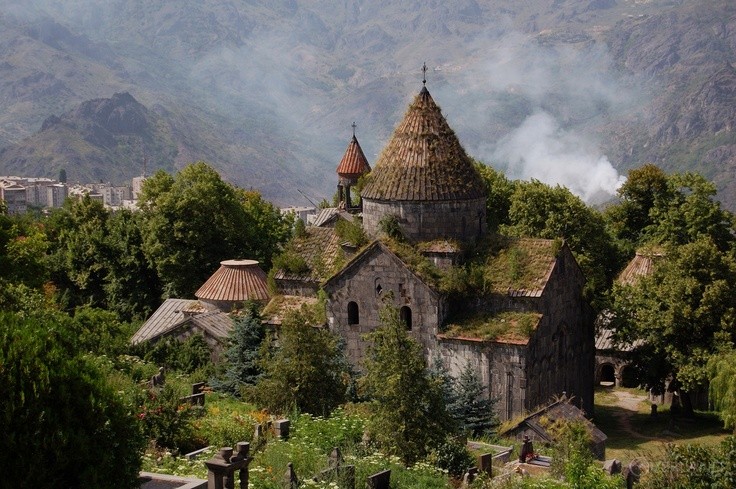
A visit to Haghpat can easily be combined with nearby Sanahin Monastery.
Both monasteries belong to the same UNESCO World Heritage property, but each has its own architecture, atmosphere, and history.
Exploring them together provides an excellent introduction to the medieval heritage of northern Armenia and makes for one of the most rewarding cultural journeys through Lori.
Best Time to Visit Haghpat
Spring is beautiful for green landscapes and comfortable temperatures.
Summer offers long daylight hours and clear mountain views.
Autumn is especially impressive for photography as the forests and hills of Lori change color.
Winter brings a peaceful atmosphere and can transform the ancient monastery into a dramatic snowy landscape.
For photography, morning and late-afternoon light beautifully reveal the textures of Haghpat’s stone walls.
Why Visit Haghpat?
Haghpat is one of those places where Armenian history, architecture, culture, and nature come together perfectly.
Its thousand-year-old churches, ancient khachkars, medieval educational heritage, UNESCO status, and spectacular setting above the valleys of Lori make it an essential destination in northern Armenia.
Whether you are interested in architecture, photography, history, spirituality, or mountain scenery, Haghpat Monastery deserves a place on your Armenia itinerary.
Discover Haghpat
Walk through centuries-old churches, admire traditional Armenian stone carvings, and enjoy the breathtaking landscapes of Lori.
Combine Haghpat and Sanahin Monasteries for an unforgettable journey into the medieval cultural heritage of northern Armenia.
Leave a Reply